


If you’re wondering how to make GCSE revision actually work without asking your teen to do hours and hours more, you’re in the right place. Most parents can see their child is “busy” with revision but aren’t convinced it’s really going in; this post is about making the time they’re already doing more effective, so confidence and grades can grow without burnout. Long revision sessions aren’t the goal — short, focused bursts using the right techniques are what move the needle. When teens learn how to revise actively (not just read and highlight) and parents understand how to support that at home, everything feels calmer and more productive. Think of this as shifting from “do more” to “make it count”: you provide the structure and environment; your teen learns how to use their brain more efficiently. That’s where real progress happens.
What we’ll cover (in plain English)
- Why “more revision” doesn’t automatically mean better results.
- How to make 25–30 minute sessions do the heavy lifting.
- Simple ways to swap passive revision for active learning.
- How to use past papers without wrecking confidence.
- Exactly how parents can support revision (without becoming the nag).
By the end, you’ll have a simple checklist you can use this week, plus a clear sense of how Level-Up Online Tutoring helps students revise smarter, not longer with structure, community and on-tap support.
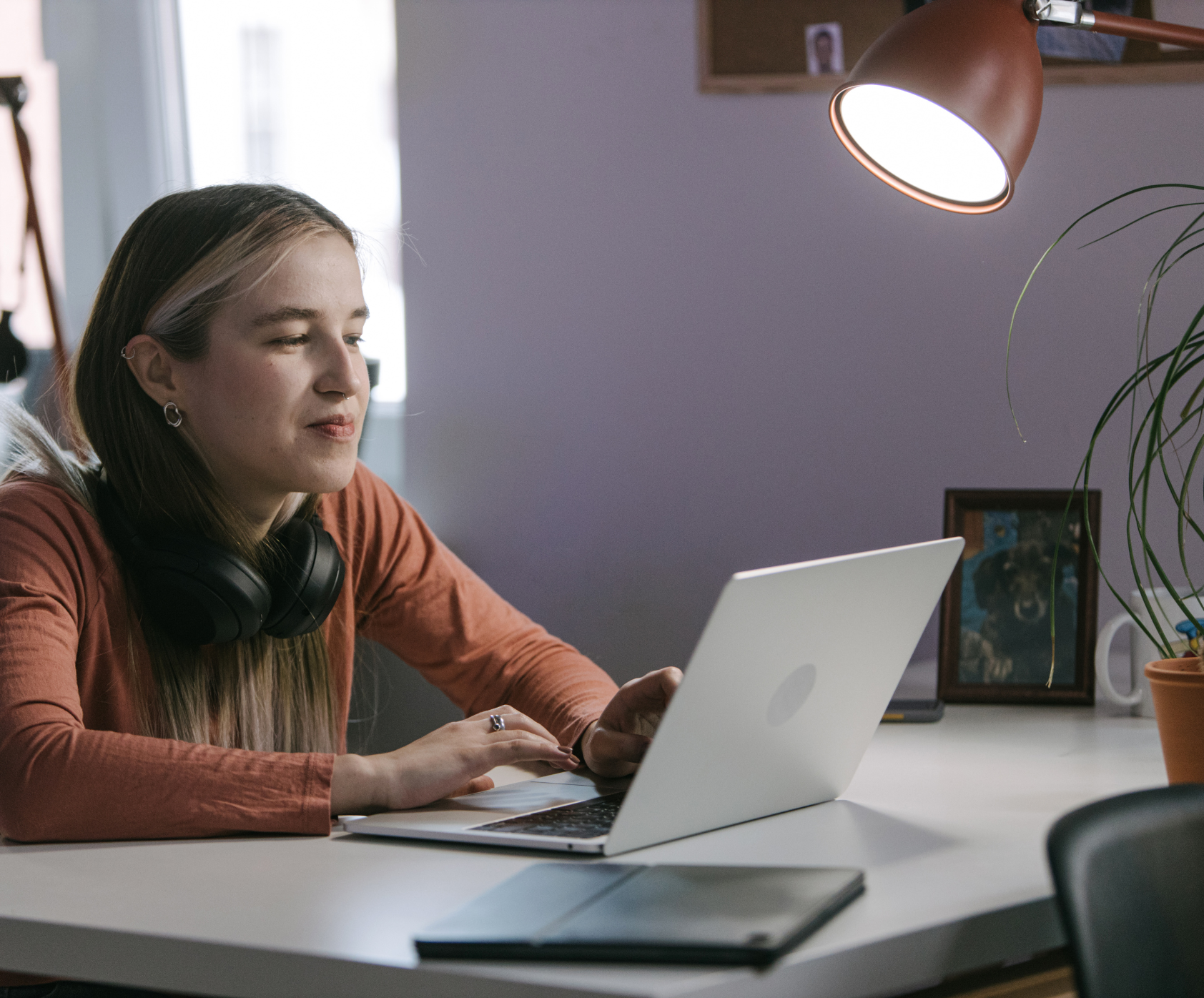
It’s not about more hours — it’s about using the ones they have in a way the brain remembers.
Why “More Revision” Doesn’t Always Mean Better Results
Parents often assume the answer is simple: if grades aren’t where they should be, they need to do more revision. But here’s what we see all the time inside Level-Up Online Tutoring:
- Teens reading the same page three times and remembering none of it.
- Neatly copying notes in ten different colours (pretty, but not powerful).
- Watching “study with me” videos and calling it revision.
- Doing one past paper, getting a low mark, and avoiding them after that.
On paper, it looks like they’ve done “an hour of revision.” In reality, very little sticks. The problem isn’t laziness — it’s technique. Effective revision isn’t about clocking hours. It’s about what their brain is doing in those hours: thinking, recalling, applying. That’s where the marks live.
Make Revision Sessions Smaller (and Sharper)
Three hours of revision written in a diary is overwhelming. That’s when you get avoidance, drama and scrolling.
Instead, aim for:
- 25–30 minute focus blocks of one subject and one clear task.
- 5–10 minute breaks between blocks to reset.
Examples of sharp, focused blocks:
- Biology: “Revise respiration, then answer 4 exam questions.”
- English: “Learn 5 quotes for Macbeth and test myself.”
- Maths: “Do Q1–10 from a foundation paper and mark them.”
Short, specific sessions are easier to start and far more effective than vague, endless “revision time.”
Swap Passive Revision for Active Brain Work
If your teen can revise with the TV on and still follow the plot, their brain isn’t working hard enough.
Active revision might look like:
- Answering exam-style questions (even 5 at a time).
- Blurting: closing the book, writing everything they remember on a blank page, then checking.
- Teaching you: explaining a topic in 3–5 minutes as if you know nothing.
- Using flashcards properly: testing recall rather than just reading them.
Passive revision (reading, highlighting, copying) has its place as a quick warm-up, but it shouldn’t be the main event. The brain only grows when it has to struggle a little to remember and apply.

Plan short, active sessions together — it feels lighter, but works harder.
Use Past Papers Without Crushing Confidence
Past papers are where big gains happen — but many teens avoid them because they don’t like seeing low scores.
We teach students to see past papers as practice, not prediction:
- Break them into chunks (e.g. just the 6-mark questions today).
- Use the mark scheme to see how marks are awarded.
- Keep a simple “mistake log” to spot patterns (noticing what actually needs work).
- Re-do the same questions after revisiting the topic.
This shifts past papers from “proof I’m rubbish” to “evidence I’m improving.” That mindset change alone can transform effort and results.
Build a Low-Distraction Revision Environment
Even the best techniques struggle if the environment is full of distractions. You don’t need a Pinterest-perfect study room — just a few small tweaks:
- Phone off the desk (ideally in another room).
- Only the books and resources needed for that block on the table.
- A clear start and finish time (“25 minutes, then you can check your phone.”).
- Reasonable noise level — not a blaring TV in the background.
Try framing it as an experiment: “Let’s just try one 25-minute block like this and see how much you get done.” Once they feel the difference, it’s easier to keep going.
Example: 1 Hour of Ineffective vs Effective Revision
Here’s what the same “hour of revision” can look like in two very different ways.
Scenario A: Ineffective revision
- 7:00–7:15pm – scrolling on their phone, “getting ready to revise.”
- 7:15–7:40pm – highlighting a Science chapter while half-watching YouTube.
- 7:40–8:00pm – re-reading English notes, getting bored, drifting off.
They’ve technically “revised for an hour”… but haven’t tested recall, practised questions or identified weak spots.
Scenario B: Effective revision
- 7:00–7:25pm – Biology blurting on the heart and circulation + 4 exam questions.
- 7:25–7:35pm – short break (snack, stretch, quick phone check).
- 7:35–8:00pm – English: one 8-mark question with a timer, then mark and improve it.
Same hour on the clock. Completely different impact on grades and confidence.
How Parents Can Support (Without Becoming the Nag)
You don’t need to know the syllabus inside out to help your teen make revision more effective. A few simple shifts in how you support can go a long way.
- Change the questions you ask: swap “Have you revised?” for “What are your two revision blocks tonight?” or “Which topic are you practising in maths?”
- Co-create a weekly plan: look at clubs, work and down-time, then agree on 3–4 realistic revision slots. If you’re still weighing up which online tutoring is best for GCSEs, this guide walks you through the options.
- Notice effort, not just grades: “I’m proud of how you stuck with that paper, even when it was tough.”
- Keep the tone calm: your steady energy helps their brain feel safe enough to learn. You might also find this NHS guide on helping your child beat exam stress reassuring.
Even with the best home routines, there comes a point where GCSE content feels different from what we studied at school — and life is simply busy. That doesn’t mean you’re failing them; it just means it might be time to bring in extra support so they feel guided, not alone.
Why Level-Up Makes Revision More Effective (Not Longer)
If you want your teen to get more out of the time they’re already revising, the Level-Up programme is built for exactly that. Students get:
- Live lessons and replays they can watch in short, focused bursts.
- Clear, step-by-step guidance on how to revise each subject.
- Past-paper practice that feels safe and supported, not scary.
- On-tap help in the community when they’re stuck, so they don’t lose momentum.
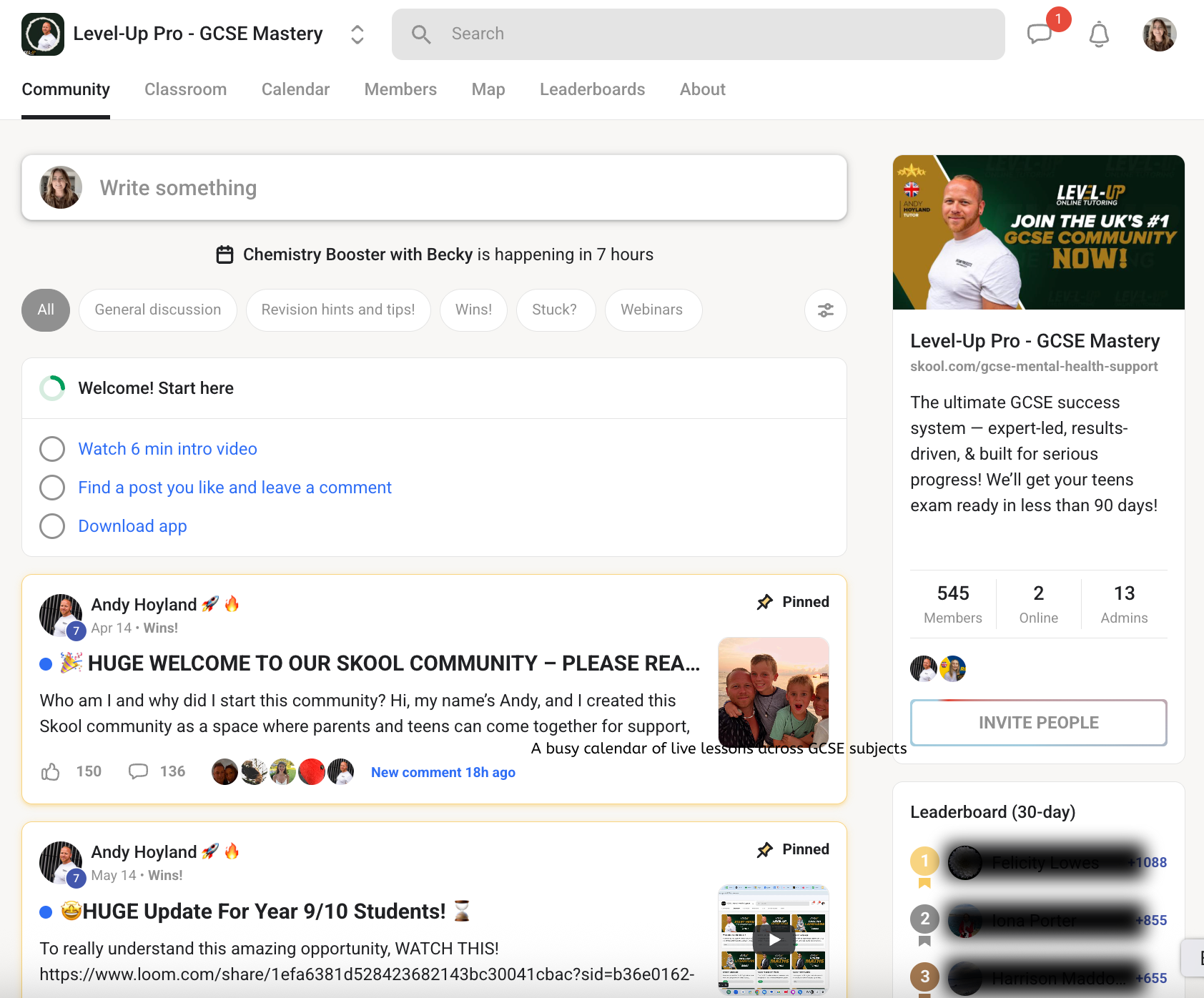
Structure, community and teacher support turn “more revision” into “better revision.”
Parent Checklist: Make GCSE Revision More Effective (Not Longer)
- Use 25–30 minute blocks with clear, specific tasks.
- Swap passive reading/highlighting for active recall and questions.
- Introduce past papers gently, in chunks, with a simple mistake log.
- Reduce distractions: phone off the desk, only the essentials out.
- Ask better questions and celebrate effort, not just the final grade.
- Bring in structured support if you’re short on time or confidence.
Bottom Line
Making GCSE revision more effective isn’t about adding hours. It’s about changing how those hours are used. Short, active, focused sessions — supported by a calm home environment and, when needed, expert help — will always beat last-minute marathons.
✅ Ready for revision that actually works (without taking over home life)?
Mind reading: How much GCSE revision per day?
Also helpful: How parents can support GCSE revision at home