

If you’re typing into Google “how can I help my child with GCSE exam anxiety and stress at home?”, you’re not alone. GCSEs are a huge deal for teens, and for many families the stress can feel just as intense as the exams themselves. Maybe mocks didn’t go well, maybe revision still hasn’t really started, or maybe your teen is simply feeling crushed by the pressure to “do well”. Whatever the reason, this post will help you calm the panic, support their mental health and put some gentle structure around them at home.
Is GCSE exam anxiety normal?
Some nerves before exams are completely normal – they show your teen cares. But when anxiety ramps up, it can start to affect:
- Sleep: struggling to fall asleep, waking in the night worrying about exams.
- Mood: snappiness, tears, hopelessness or shutting down when GCSEs are mentioned.
- Behaviour: avoiding schoolwork, zoning out, constant scrolling or procrastinating.
- Body: headaches, stomach aches, racing heart or feeling sick on school mornings.
That doesn’t mean anything is “wrong” with your child – it means their brain is treating GCSEs like a real threat. The good news is there’s a lot you can do at home to help their brain and body feel safer. If you’re ever worried their stress is overwhelming them, it’s always okay to speak to school or your GP for extra support, alongside what you do at home.

When your teen has calm, structured support around them, GCSE exam anxiety starts to feel more manageable.
Start with safety: how you talk about GCSEs at home
When you’re worried, it’s easy for conversations to become tense without meaning to. A few small shifts can help your teen’s nervous system feel safer:
- Swap interrogation for curiosity.
Instead of “Have you revised yet?”, try “How are you feeling about GCSEs at the moment?” - Separate them from their grades.
“Your results don’t change how much I love you. Exams are important, but so is your health.” - Normalise what they feel.
“Lots of teens feel sick with worry about GCSEs. It doesn’t mean you’re weak – it means you’re human.” - Stay steady.
They borrow your calm. Even if you’re anxious inside, a softer tone and slower pace of voice helps their brain feel safer.
Give anxiety a “place to go”
Anxiety usually gets louder when it’s bottled up. You can help by giving it somewhere to go:
- Regular check-ins: one or two evenings a week, ask, “Any GCSE worries buzzing around that we need to get out of your head?”
- Journalling or brain-dumps: encourage them to scribble worries on paper before bed, then talk through which ones you can do something about.
- Simple calming tools: a few slow deep breaths together, a short walk, a warm shower, or a cuddle with the dog – nothing fancy needed.
If you haven’t already, this guide on reducing GCSE stress and anxiety for teens goes deeper into practical ideas your child can try for themselves.

With the right support and a realistic plan, anxious teens can start to feel genuinely calmer and more confident.
Make a gentle, realistic revision plan
One of the biggest drivers of GCSE exam anxiety is feeling out of control. A kind, realistic plan can lower stress because it turns “everything” into “this is what I’m doing this week”.
You don’t need a perfect timetable – just something doable. For example:
- Start small: 2–3 blocks of 25–30 minutes a week in key subjects.
- Use clear tasks: “revise 3 science topics” is vague; “revise cell biology and answer 5 questions” is calmer.
- Protect sleep and breaks: tired brains are more anxious – and learn less.
- Build in fun: plan something they enjoy after revision blocks – a show, game or bath – so life isn’t all GCSE talk.
A simple GCSE revision timetable for busy families can help you put this into a shape that works in your home.
Support their body as well as their brain
Because anxiety shows up in the body, small lifestyle tweaks can make a surprisingly big difference:
- Sleep: aim for a consistent bedtime, plus a “no phones in bed” rule if you can manage it.
- Movement: walks, sports, dancing in the kitchen – anything that gets them moving helps burn off some of the stress hormones.
- Food and hydration: regular meals and water help their brain function and stabilise mood.
- Screen boundaries: especially at night and around revision time – endless scrolling feeds anxiety.
None of this has to be perfect. Even small improvements, repeated over weeks, can help GCSE exam anxiety feel a bit less intense.
When you can’t be their teacher, but still want them supported
Many parents secretly think, “I know my child is anxious, but I’m not a teacher and I don’t have the time or up-to-date knowledge to help properly.” If that’s you, you’re exactly the kind of family the Level-Up GCSE Support Community was created for.
Level-Up is an education platform trusted by hundreds of UK families to help teens reduce GCSE stress, improve their grades and feel genuinely more confident about exams. It doesn’t just throw more content at them – it combines expert teaching, mental health support and real community.
Inside Level-Up, your teen gets:
- 32+ live classes a month with experienced, high-performing teachers across the core GCSE subjects.
- Daily access to 15+ expert teachers inside the community for “I’m stuck” questions and homework support.
- Weekly mental health and teen hangout sessions to handle academic stress, anxiety and friendships.
- 500+ hours of GCSE video content so they can learn at their own pace, rewind and revisit tricky topics anytime.
- A friendly community of 500+ UK students for buddy support and extra motivation – they realise they’re not the only one feeling this way.
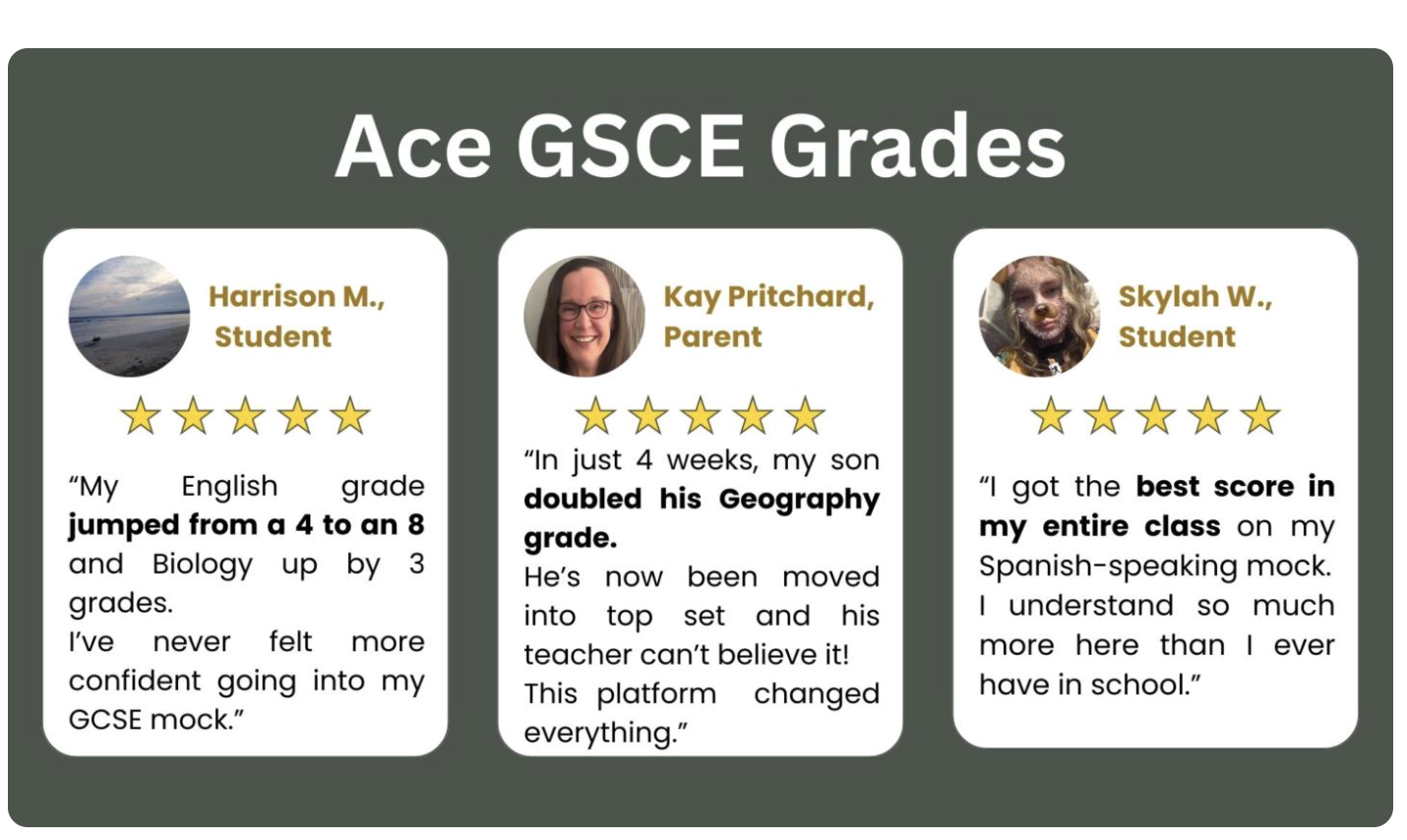
Real families are already seeing their teens feel calmer, more supported and more confident in the run-up to GCSEs.
Level-Up is designed so teens don’t feel they’re doing this on their own – and so parents don’t have to become full-time tutors or counsellors. Membership is capped at 1,000 students so they don’t get lost in a crowd, and there are no long-term contracts or hidden commitments – you can cancel whenever you like. If you’d like to see how other families have found it, you can read our 5-star reviews here.
You can also try Level-Up with a 7-day free trial through Skool, so your teen can join live lessons, explore the community and see how it feels before you decide whether to continue.
✅ Wondering how you can help your child with GCSE exam anxiety and stress at home?
Bottom line: you don’t have to fix everything
If you’re asking “how can I help my child with GCSE exam anxiety and stress at home?”, it already shows how much you care. You don’t have to become a psychologist or a perfect planner. Small changes to how you talk about GCSEs, a realistic revision plan, a focus on sleep and routine, and the right support from people like Andy and the Level-Up team can make a huge difference. Your teen doesn’t have to face GCSEs alone – and neither do you.
Mind reading: How to reduce GCSE stress and anxiety for teens
Also helpful: My child is panicking about GCSEs and doesn’t feel prepared