

If you are confused about GCSE English Language vs Literature, you are definitely not alone. Many parents know their child has “English GCSEs”, but are not completely sure what the difference is between English Language and English Literature, how each one is assessed, or how to help their teen revise for both.
The two subjects are connected, but they are not the same. They test different skills, need different revision approaches, and can feel very different for students.
GCSE English Language is mainly about reading, writing and communication.
GCSE English Literature is mainly about understanding and analysing texts.
Need support with GCSE English?
Level-Up supports students with both GCSE English Language and GCSE English Literature through live sessions, expert tutor guidance and video tutorials.

Level-Up supports GCSE English Language and Literature through live tuition, expert teacher guidance and video tutorials.
GCSE English Language vs Literature: the simple difference
The easiest way to understand the difference is this:
GCSE English Language
Tests how well students can understand unseen texts, analyse language, compare ideas and write clearly for different purposes.
GCSE English Literature
Tests how well students understand set texts such as novels, plays and poetry, and how confidently they can analyse themes, characters and writers’ methods.
In simple terms, Language is about skills. Literature is about applying many of those skills to specific texts your child has studied.
What does GCSE English Language involve?
GCSE English Language usually focuses on unseen reading and writing tasks. Students are often given extracts they have not seen before and are asked to analyse, explain, compare or evaluate what the writer is doing.
They may also need to write creatively or persuasively, depending on the exam board and paper.
Parent-friendly summary: English Language is less about memorising a book and more about practising how to respond to texts and write clearly under exam conditions.
Students often need help with:
- Understanding what each question is really asking
- Using quotes properly
- Explaining language choices
- Structuring answers clearly
- Writing creatively or persuasively
- Managing time in the exam
What does GCSE English Literature involve?
GCSE English Literature is usually based on set texts. These may include a Shakespeare play, a 19th-century novel, a modern text and a poetry anthology, depending on the exam board.
Students need to understand the texts, remember key moments and quotations, and explain how writers create meaning.
They are often expected to write about:
- Characters
- Themes
- Plot and structure
- Language and imagery
- Context
- How the writer’s choices affect the reader
Parent-friendly summary: English Literature is not just about knowing the story. Students need to explain ideas clearly and support their points with evidence from the text.
GCSE English Literature revision often involves revisiting key texts, themes, characters and quotations, then practising how to turn those ideas into clear exam answers.
Which is harder: GCSE English Language or Literature?
This depends on the student.
Some students find GCSE English Language harder because they cannot predict the unseen texts and questions. They may feel unsure how to structure answers or how to write under timed conditions.
Other students find GCSE English Literature harder because there are more texts, quotations, themes and characters to remember.
If Language feels harder
Your child may need more practice with question technique, timings, unseen texts and writing structure.
If Literature feels harder
Your child may need more support with understanding texts, remembering key ideas and writing analytical paragraphs.
Do students need to pass both English Language and Literature?
Parents often ask whether English Language or English Literature matters more. In many cases, English Language is the qualification colleges, sixth forms and employers look for most closely, especially when they ask for a GCSE English pass.
However, English Literature still matters. It can strengthen reading, analysis, vocabulary, essay writing and confidence. It also supports many of the skills students need for English Language.
The safest approach is not to treat one as “the important one” and ignore the other. Both subjects can help your child build stronger communication and exam skills.
How should students revise for GCSE English Language?
GCSE English Language revision should be active. Reading notes is not enough. Students need to practise answering questions, writing under timed conditions and improving their responses.
- Practise one question type at a time
- Learn what each question is asking for
- Use short quotes and explain them clearly
- Practise creative and transactional writing
- Review mistakes and improve one answer at a time
If your child often looks busy but does not seem to be improving, this post may help: Is my child really revising for GCSEs or just looking busy?
How should students revise for GCSE English Literature?
GCSE English Literature revision should combine knowledge and practice. Students need to know the texts, but they also need to practise turning that knowledge into clear exam answers.
- Revise key characters and themes
- Learn a small number of flexible quotations
- Practise paragraph structure
- Link points back to the question
- Use context carefully, not randomly
How Level-Up supports GCSE English Language and Literature
GCSE English can feel difficult for students because it is not always obvious what “better” looks like. A student may write a full page and still not understand why it has not gained more marks.
This is where Level-Up helps: students get clear teaching, structure and support across GCSE English Language and GCSE English Literature, so they can understand what examiners are looking for and build confidence step by step.
Want to see how Level-Up works before you decide?
Andy runs a friendly 20 to 30 minute Welcome Session every Tuesday at 7pm (UK time).
Reserve your place for the next Tuesday session
You do not need to be a member to join. It’s a chance to explore the platform before you decide.
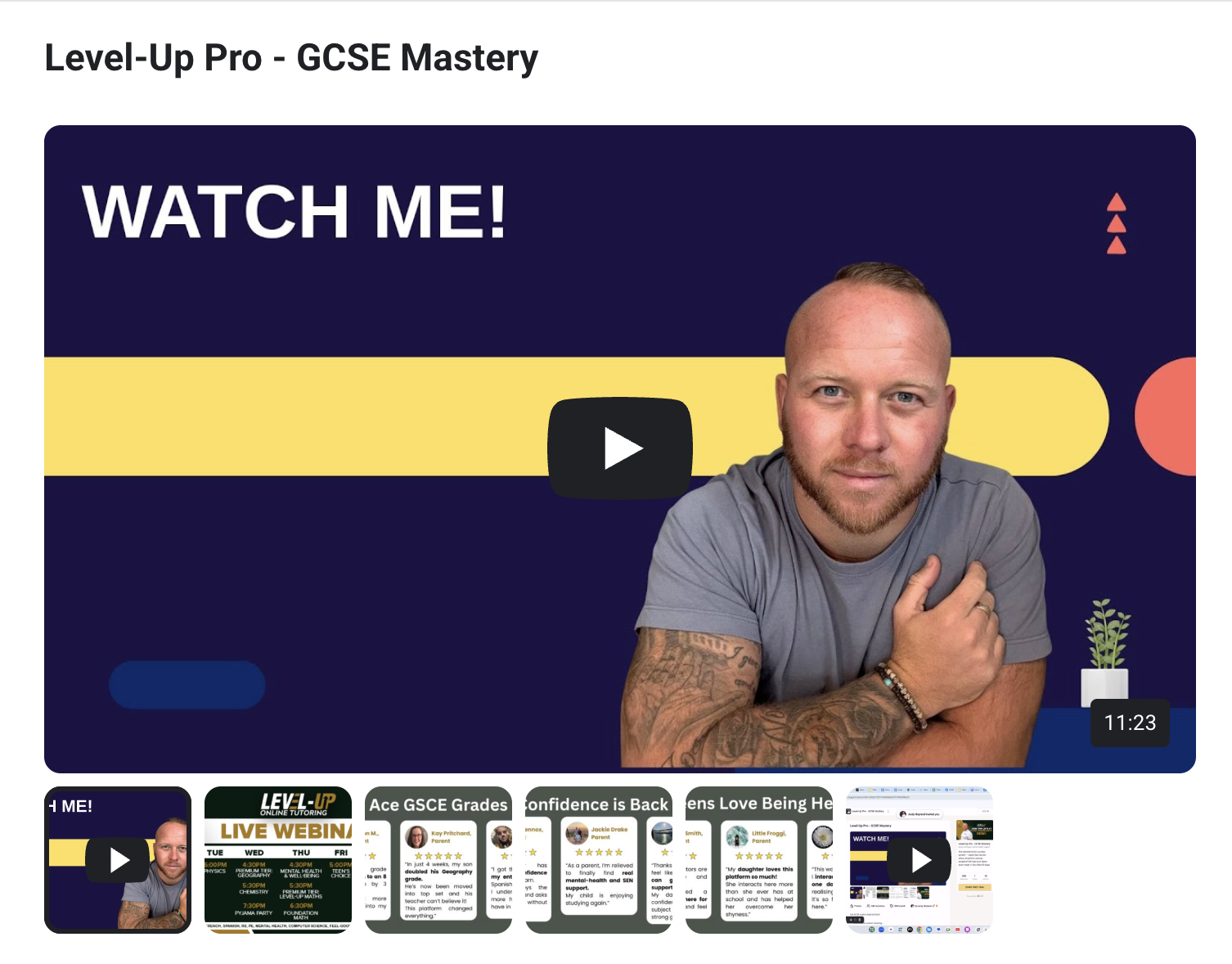
Click the image to explore Level-Up GCSE English tuition online for Language and Literature support.
Inside Level-Up, students can get support with:
- GCSE English Language skills, including reading questions, analysis, structure and writing technique.
- GCSE English Literature revision, including themes, characters, quotations and essay structure.
- Live sessions to keep students on track and give them expert guidance.
- Video tutorials students can revisit when they need extra practice.
- Support across Year 10 and Year 11, whether they are catching up, preparing for mocks or getting ready for exams.
If you’d like reassurance from other families, you can read our 5-star reviews here.
Want your child to feel more confident in GCSE English?
Bottom line
GCSE English Language vs Literature can feel confusing at first, but the difference is simple. English Language focuses on reading, writing and communication skills. English Literature focuses on understanding and analysing set texts.
Both subjects matter, and both become easier when students understand what each exam is asking them to do. With the right structure, practice and support, GCSE English can start to feel much more manageable.
Mind reading: GCSE English Tuition Online
Also helpful: How to Support a Teen Who Avoids Revision