


If you’re staring at the calendar thinking, “We need an Easter revision plan for Year 11 GCSEs — and we need it now”, you’re not alone. Easter is one of the last big “reset moments” before GCSE season really hits. Done right, the next couple of weeks can massively boost confidence, close gaps and build momentum fast — without your teen burning out.
This post gives you a simple, realistic Easter revision plan for Year 11 GCSEs that actually works in real family life. No 8-hour marathons. No constant nagging. Just a clear structure that helps your teen make progress quickly.
Why Easter is the make-or-break window for Year 11
Easter revision matters because it’s one of the few times your teen can take a breath, catch up, and build a routine before the final run-in. After Easter, time feels like it speeds up: school ramps up, stress rises, and revision becomes more reactive.
So the goal for Easter isn’t “revise all day”. The goal is:
- Find the biggest gaps and focus on those first.
- Build a routine that’s sustainable after the holidays.
- Increase confidence by getting a few “wins” quickly.

Easter works best when revision is focused, realistic and repeatable — not exhausting.
The Easter revision plan for Year 11 GCSEs (boost grades fast without burnout)
Here’s the plan. It’s simple on purpose — because the best plan is the one your teen actually follows.
Step 1: Pick the 2 subjects that will move grades fastest
Not everything can be “priority one”. For Easter, choose:
- One weak subject (where gaps are costing marks).
- One “nearly there” subject (where a small push could lift a grade).
That’s how you boost grades fast: fix the biggest leak, then strengthen the easiest win.
Step 2: Choose 3–5 topics per subject (not 50)
Write a short list of the topics that keep coming up as problems — from mocks, homework, or just what your teen says they “don’t get”.
Keep it specific. Not “Science”. More like “Rates of reaction”, “Electricity”, or “Required practicals”.
Step 3: Use focused blocks (not endless hours)
For most teens, this structure works brilliantly:
- 25–30 minutes focused revision
- 5–10 minutes break
A good Easter day might be just 2–4 blocks. That’s enough to create momentum without burnout.
Step 4: Make every block “active” (this is where grades move)
If your teen can “revise” while half-scrolling, their brain isn’t working hard enough. In each block, aim for something active:
- Answering exam-style questions (even a small set).
- Testing themselves on key facts, quotes, formulas or processes.
- Explaining a topic out loud in simple language.
- Watching a short teaching clip, then writing what they learned from memory.
If you want a quick way to spot whether revision is working, this post is a great companion: Is my child really revising for GCSEs or just looking busy?
A simple timetable helps your teen stop guessing — and start moving forward.
A realistic Easter timetable (that most teens will actually do)
You don’t need to plan every hour. Here’s a simple template you can copy:
- Mon/Wed/Fri: 2–3 blocks on Subject 1 (weak subject), focused on one topic per day.
- Tue/Thu: 2 blocks on Subject 2 (nearly-there subject), focused on the easiest grade-lift topics.
- Weekend: one “catch-up” session + one lighter review session.
And yes — your teen should still have downtime. The point is consistency, not punishment.
What to do if your teen is overwhelmed or panicking
When teens feel behind, they often freeze. If that’s happening:
- Make the next step tiny: “Let’s do just 10 minutes.”
- Give two choices: “Maths first or English first?”
- Focus on wins: one topic, one task, done.
For calmer ways to support without nightly arguments, this one links perfectly: How to help with GCSE revision without nagging, backing off or taking over.
How Level-Up helps Year 11s boost grades fast this Easter
Easter is where many parents realise: “We need a plan… but we also need expert help and accountability so this doesn’t fall apart.”
That’s exactly what Level-Up provides: structure, teaching, and ongoing support so your teen isn’t trying to figure everything out alone at home.
Want to see how Level-Up works before you decide?
Andy runs a friendly 20–30 minute Welcome Session every Tuesday at 7pm (UK time) for new and curious parents and students. You’ll see how to find the right lessons quickly, how live lessons and replays work, and how the community supports your teen day to day.
Reserve your place for the next Tuesday session
You don’t need to be a member to join – it’s a chance to explore the platform and ask questions before you commit.

Click the image to explore Level-Up on Skool — and give your teen structure and support through Easter and beyond.
Inside the Level-Up GCSE Support Community, your teen gets:
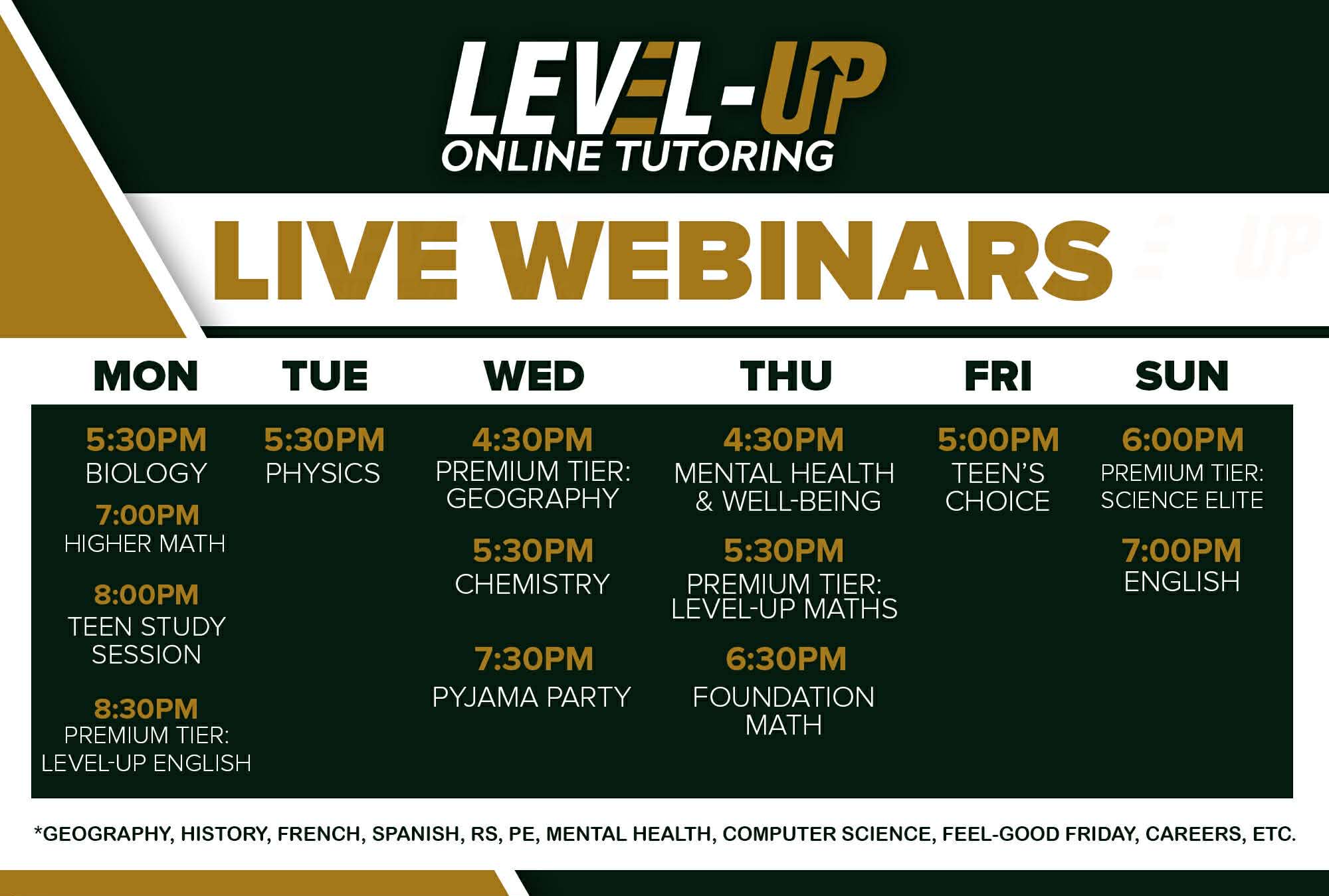
- Live teaching throughout the month across key GCSE subjects.
- Access to expert teachers for “I’m stuck” questions and fast help.
- On-demand lessons and modules they can rewatch anytime.
- Mental health & teen hangout sessions to reduce stress and build confidence.
- A community of students that boosts motivation and consistency.
If you’d like to see what other families have said, you can read our 5-star reviews here.
✅ Want your teen to use Easter to boost grades fast?
Bottom line
An Easter revision plan for Year 11 GCSEs doesn’t need to be complicated to work. Pick the two subjects that matter most, focus on a short list of high-impact topics, use short active blocks, and keep the routine realistic. That’s how you boost grades fast — without burning your teen (or yourself) out.
Mind reading: GCSE revision plan for the last few months
Also helpful: How to help with GCSE revision without nagging, backing off or taking over