


If you’re wondering how to help with GCSE revision without nagging, backing off or taking over, you’re not alone. Most parents care deeply and want to do the right thing – that’s not the problem. The problem is feeling stuck between three options that all seem to make things worse: constant nagging (arguments, eye-rolling, “I’ll do it later”), backing off (guilt, anxiety, feeling like you’re failing them) or trying to teach (confusion, “that’s not how my teacher does it”). This post will walk you through a calmer fourth option that protects your relationship and supports your child’s GCSEs.
Why helping with GCSE revision feels so hard
GCSEs are often the first time parents lose real control over their child’s outcomes – but still feel fully responsible for them. You can’t sit the exams, you can’t sit in class with them, but you can see the consequences of what happens now stretching years into the future. That tension is brutal.
Underneath that tension, most parents are quietly asking themselves:
- What actually matters right now for GCSE success?
- How do I motivate them without bribing, threatening or starting a row?
- How do I spot problems early instead of panicking when mocks go badly?
- What’s real revision and what’s just “looking busy”?
- How do I support their mental health without lowering standards?
The real pain usually isn’t “content” or “not enough worksheets”. It’s clarity and confidence – knowing what to do, when to do it and how to do it without making home life miserable.
If you’re already worrying that exams are getting closer and revision hasn’t really started yet, you might find this reassuring: GCSEs are in 5 months and my child hasn’t started revising – how can we help?

You don’t need to become your child’s teacher – you just need a calmer role and a clearer plan.
The three traps parents fall into
Almost every family who joins Level-Up describes some version of these three patterns:
- Nagging
“Have you revised yet?” “How much did you do?” “You know GCSEs are coming up.”
This usually leads to arguments, shutdown or “I’ll do it later”. Your teen feels attacked; you feel ignored. - Backing off
After a few rows, many parents think, “Fine, I’ll leave it to you.” On the outside, things are quieter. On the inside, you feel guilty and anxious, watching them scroll while exams get closer. - Taking over
Colour-coded timetables, buying every revision guide, trying to explain topics the way you remember them from school. Your teen feels micro-managed and says, “That’s not how my teacher does it.” You feel exhausted and unappreciated.
If you recognise yourself in any of these, there is nothing wrong with you. It simply means you care, you feel responsible and you haven’t been given a better framework.
A calmer fourth option: clear roles at home
Instead of nagging, backing off or taking over, it helps to get really clear on who is responsible for what:
- Your teen’s job: show up to lessons, engage as best they can, complete homework, and take small, consistent steps with revision.
- Your job: provide a calm environment, realistic expectations, simple routines and emotional support.
- School and trusted support (like Level-Up): provide expert teaching, resources, structure and accountability.
Once those roles are clearer, you can move from “I must fix everything” to “we’re a team, and I know where my job begins and ends.” That shift alone often reduces the urge to nag.
How to talk about GCSE revision without nagging
Here are some simple swaps that keep you out of the nagging trap while still showing you care:
- Swap “Have you revised?” for “What’s your plan tonight?”
This focuses on planning, not policing. - Swap “You never do anything” for “What feels hardest about getting started?”
This opens up a conversation about blocks and overwhelm. - Swap “You’re wasting time” for “We’ve got X weeks left – how can I help make this feel more manageable?”
This makes you an ally, not an enemy. - Swap “You must get…” for “Let’s focus on effort we can control.”
You can still hold standards, but in a way that doesn’t make their whole identity about a number.
When tempers are high, it can also help to agree a simple “pause phrase” as a family – something like “Let’s park this for now” – and come back when everyone is calmer.

When your teen has a plan and support, you don’t need to rely on nagging – you can get back to being mum or dad.
What actually helps with GCSE revision at home
Instead of trying to know every detail of every subject, it’s usually more helpful to focus on a few simple foundations at home:
- Routine, not perfection
A few short, regular revision blocks (25–30 minutes) are far better than guilt-fuelled marathons once a month. - A clear space
A reasonably tidy desk or table, phone off the desk, only what they need for that subject in front of them. - Active, not “busy”
Encourage methods where their brain has to think – answering questions, testing themselves, explaining a topic out loud – rather than endless highlighting. - Boundaries and care
Protect sleep, food and some downtime. GCSEs matter, but so does their wellbeing.
Our post on how parents can support GCSE revision at home goes deeper into practical ideas if you’d like a checklist.
When you can’t (and shouldn’t) be the teacher
Many parents quietly think, “I’m trying so hard to do the right thing, but I’m not a teacher, I don’t remember the content, and I don’t want every evening to turn into a row.”
This is exactly where a trusted system like the Level-Up GCSE Support Community can make a huge difference. Instead of you trying to do everything, Level-Up provides the structure, expert teaching and reassurance – so you can step back into being the parent, not the full-time tutor.
Level-Up gives your teen a clear plan, expert teachers and a supportive community – so you don’t have to shoulder it all alone.
How Level-Up replaces guesswork (so you can stop fighting)
Level-Up is an education platform trusted by hundreds of UK families to help teens reduce GCSE stress, improve their grades and feel genuinely more confident about exams. It doesn’t just add more work – it replaces guesswork with a clear, supportive system.
Inside the Level-Up GCSE Support Community, your teen gets:
- 32+ live classes a month with experienced, high-performing teachers across the core GCSE subjects.
- Daily access to 15+ expert teachers inside the community for “I’m stuck” questions and homework support.
- Weekly mental health and teen hangout sessions to help with academic stress, anxiety and friendships.
- 500+ hours of GCSE video content so they can learn at their own pace, rewind and revisit tricky topics anytime.
- A friendly community of 500+ UK students for buddy support and extra motivation – they realise they’re not the only one finding this hard.
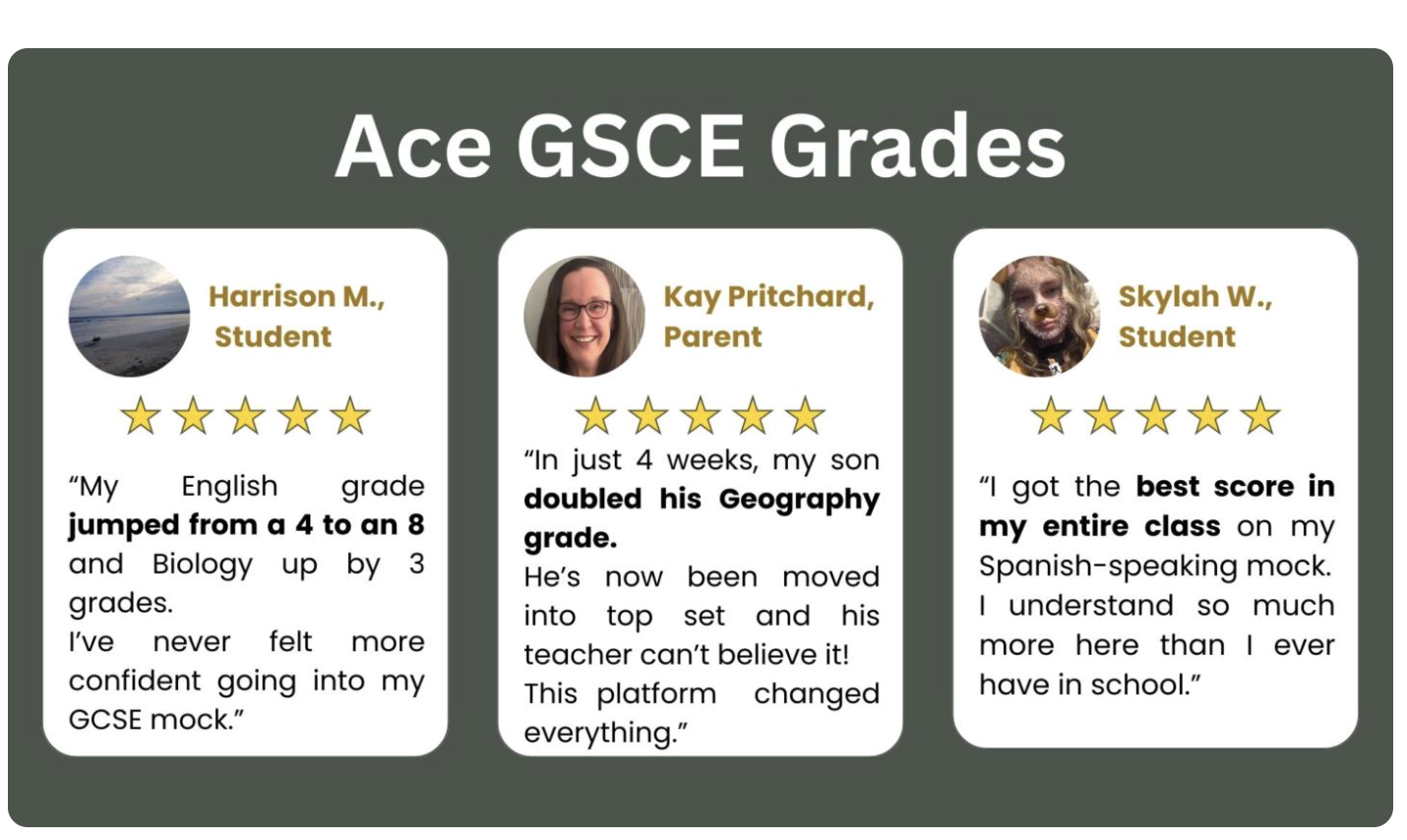
Level-Up is designed so teens don’t feel they’re doing this on their own – and so parents don’t have to become full-time tutors or counsellors. Membership is capped at 1,000 students so they don’t get lost in a crowd, and there are no long-term contracts or hidden commitments – you can cancel whenever you like. If you’d like to see how other families have found it, you can read our 5-star reviews here.
You can also try Level-Up with a 7-day free trial through Skool, so your teen can join live lessons, explore the community and see how it feels before you decide whether to continue.
✅ Want to help with GCSE revision without nagging, backing off or taking over?
Bottom line: you don’t have to choose between nagging and doing nothing
If you’re wondering how to help with GCSE revision without nagging, backing off or taking over, the good news is there is a fourth option. You can set gentle routines, protect your child’s wellbeing and plug them into structured, expert support so you’re not carrying it all yourself. You don’t need to know every detail of every subject – you just need a clear role, a simple plan and a trusted system around your teen.
Mind reading: GCSEs are in 5 months and my child hasn’t started revising – how can we help?
Also helpful: How to reduce GCSE stress and anxiety for teens