


If you’ve ever watched your child “revising” for hours and thought, “Are they actually learning anything… or just looking busy?”, you’re not alone. Many parents are quietly wondering if their child is really revising for GCSEs or just going through the motions. This post will help you spot the difference, gently – without turning you into the revision police or starting nightly arguments.
Why it’s so hard to tell if revision is “real”
From the outside, all revision can look the same: books open, highlighters out, maybe a video playing in the background. But on the inside, what the brain is doing can be very different.
Parents often tell Andy:
- “They’re in their room for hours, but the grades aren’t moving.”
- “They say they’ve revised, but they can’t answer the basics when I ask.”
- “They’ve made beautiful notes… but they still don’t understand the topic.”
It’s not that your child is lazy or trying to trick you. Most teens simply haven’t been taught the difference between “feels productive” and “actually works”. If you’re also unsure what really matters overall, this post pairs well with: What actually matters right now for GCSE success? A calm guide for parents.

From the outside, all revision looks similar. The difference is what their brain is actually doing.
“Busy” revision vs effective revision (how to spot the difference)
A simple way to think about it:
- “Busy” revision looks good, feels comfortable, but doesn’t stretch the brain very much.
- Effective revision feels a bit harder, because the brain is having to think, recall and apply.
Here are some common examples.
Signs your child might just be “looking busy”
- Copying notes neatly from a book or screen without really thinking.
- Highlighting almost everything on the page in several colours.
- Watching “study with me” or explainer videos while messaging or scrolling.
- Re-reading the same chapter over and over without testing themselves.
- Spending more time designing revision timetables than using them.
Signs of effective GCSE revision
- Answering questions: working through practice questions, quizzes or exam-style tasks (even in small chunks).
- Testing themselves: covering up notes and seeing what they can remember on a blank page or flashcard.
- Explaining out loud: teaching you, a sibling or even the dog a topic in simple language.
- Fixing mistakes: checking answers, spotting where they went wrong and having another go.
- Mixing topics: revisiting older material so it doesn’t just fade away after one go.
You don’t have to hover over them. Just knowing what to look out for can help you ask better questions and offer the right kind of support.
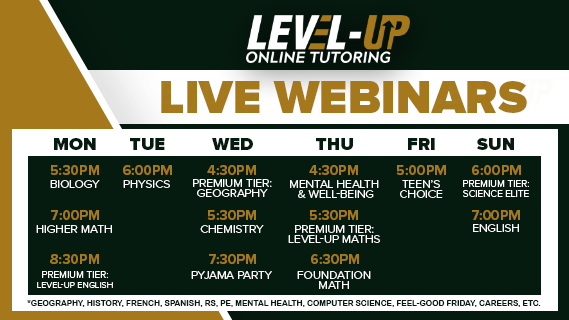
A clear structure and guided activities mean your teen spends less time “looking busy” and more time actually learning.
Questions you can ask that don’t feel like an interrogation
Teens often shut down when they feel judged or compared to others. Instead of “Have you revised?” (which usually gets a one-word answer), try questions that focus on process and effort:
- “What did you practise in that revision block?”
This encourages them to name specific topics or tasks. - “How will you know if that topic has really stuck?”
This nudges them towards testing themselves. - “Was there anything you got stuck on that we need to flag for your teacher or tutor?”
This normalises not understanding everything first time. - “Is there anything that would make revision feel a bit easier to start tomorrow?”
This focuses on small tweaks, not perfection.
These kinds of questions help your child reflect on whether they’re really revising for GCSEs or just going through the motions – without you having to stand over their shoulder.
Small changes that turn “busy” into “effective”
You don’t have to rip up everything and start again. Often, a few small tweaks make a big difference:
- Shorten the sessions
Aim for 20–30 minute blocks of focused revision, followed by a short break. Long, vague “I’m revising all evening” plans tend to slip into busy work. - End with a quick recap
Ask them to write down three things they learned or practised at the end of each block. - Use simple tools
Flashcards, topic checklists, or a whiteboard they can scribble on can all make active recall easier. - Limit distractions
Phone off the desk, only what they need in front of them, and background noise that doesn’t pull their attention away.
If you want more ideas for what revision can look like at home, you might like: How parents can support GCSE revision at home.
When your child is trying, but the grades aren’t moving
Sometimes, your teen is putting in effort – but the marks still don’t reflect it. That’s usually a sign they need clearer explanations and more guided practice, not more nagging.
Common signs they might need extra support:
- They say, “I get it in class, but it all goes out of my head at home.”
- They can talk about a topic, but struggle to answer questions on it.
- Mocks or class tests show the same subjects or question types dragging their grades down.
- They’re starting to feel like “I’m just bad at…” rather than “I can improve this with help.”
This is exactly the kind of gap the Level-Up GCSE Support Community is designed to fill – turning scattered, lonely revision into something clearer, supported and more effective.

With Level-Up, your teen isn’t revising alone – they have clear lessons, expert teachers and a supportive community around them.
How Level-Up helps your child spend less time “looking busy”
Level-Up is an education platform trusted by hundreds of UK families to help teens reduce GCSE stress, improve their grades and feel genuinely more confident about exams. Instead of leaving students alone with a pile of books, it gives them clear, guided ways to revise that actually work.
Inside the Level-Up GCSE Support Community, your teen gets:
- 32+ live classes a month with experienced, high-performing teachers across the core GCSE subjects.
- Daily access to 15+ expert teachers inside the community for “I’m stuck” questions and homework support.
- Weekly mental health and teen hangout sessions to help with academic stress, anxiety and friendships.
- On-demand lessons and pre-recorded modules so they can revisit tricky topics whenever they need to.
- A friendly community of 500+ UK students for buddy support and extra motivation – they realise they’re not the only one finding this hard.
Level-Up is built so that you don’t have to know exactly what they should be revising or how to explain it. You provide the calm home base; Andy and the team provide the structure, teaching and accountability.
Membership is capped at 1,000 students so they don’t get lost in a crowd, and there are no long-term contracts or hidden commitments – you can cancel whenever you like. If you’d like to see how other families have found it, you can read our 5-star reviews here.
You can also try Level-Up with a 7-day free trial through Skool, so your teen can join live lessons, explore the community and see how it feels before you decide whether to continue.
✅ Worried your child is just “looking busy” with GCSE revision?
Bottom line: it’s not about more hours, it’s about how they use them
If you’re asking, “Is my child really revising for GCSEs or just looking busy?”, you’re already paying attention in the right way. You don’t need to stand over them or turn every evening into an argument. Understanding the difference between “busy” and effective revision, asking better questions, and plugging your teen into structured support like Level-Up can transform how much they get out of the time they’re already spending.
Mind reading: What actually matters right now for GCSE success?
Also helpful: How to help with GCSE revision without nagging, backing off or taking over