


If you’ve ever caught yourself thinking, “I don’t even know what actually matters right now for GCSE success”, you’re not alone. Between school emails, mock results, revision guides, YouTube videos and social media advice, it can feel like you’re meant to juggle a hundred different priorities at once. This post is a calm guide for parents who care deeply, but want clarity: what really moves the needle for GCSEs – and what can you safely stop worrying about?
Why it feels like everything matters (and it’s exhausting)
GCSEs are often the first time parents lose real control over outcomes, but still feel fully responsible for them. You can’t sit the exams, you can’t sit in class with your child, but you can see how important these grades might be for their next steps. That tension is huge.
So most parents end up quietly asking themselves:
- What actually matters right now for GCSE success?
- Are we doing enough – or are we already “behind”?
- Is my child really revising or just looking busy?
- How do I support their mental health and still expect effort?
If you’re also worrying that exams are getting closer and revision hasn’t really started yet, you might find this reassuring: GCSEs are in 5 months and my child hasn’t started revising – how can we help?

You don’t need a perfect system or endless hours – just a focus on the few things that matter most.
The three things that matter most for GCSE success
Every child is different, but across hundreds of families we see the same three factors making the biggest difference:
- Showing up and engaging
Regular attendance, listening in class, asking questions and completing homework as best they can. This sounds simple, but students who are mentally “in the room” day-to-day are already building a foundation that revision can build on. - Consistent, active revision
Not marathon cramming or pretty notes – but small, regular chunks of revision where their brain has to think, not just watch or copy. We’ll come back to what this looks like in practice. - Targeted support on the bits they find hard
Almost no student is equally strong in every topic. The grades usually move when they get help with the parts that confuse them or knock their confidence, rather than endlessly repeating the things they already find easy.
What you can worry about less
Because parents care so much, it’s easy to get pulled into things that look impressive, but don’t matter as much as you think. For example:
- Perfect notes and stationery
Colour-coded folders and beautiful notes are nice, but they’re not a guarantee of understanding. Plain notes plus good questions will always win. - Endless hours at the desk
“They revised all day” doesn’t tell you if their brain was actually working. Three focused blocks often beat eight distracted hours. - Buying every resource under the sun
A few trusted resources that your child actually uses are far more valuable than a shelf full of unused guides. - Comparing your child to others
Every student starts from a different place. What matters is their progress across this year, not somebody else’s highlight reel.
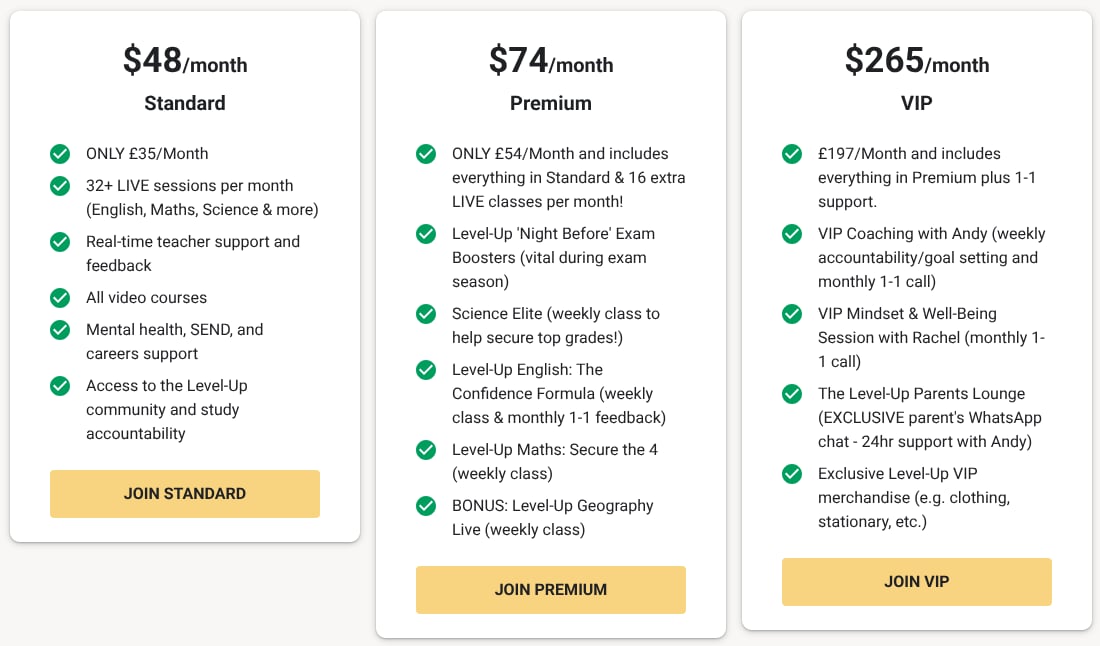
Clear, simple support options make it easier to choose what actually helps, instead of collecting more resources you never use.
What effective GCSE revision actually looks like
Parents often say, “They’re in their room ‘revising’ for hours, but I don’t know if anything’s going in.” A simple rule of thumb:
- “Busy” revision = looks impressive, but the brain is quite relaxed.
Examples: copying notes, highlighting everything, watching videos on auto-play. - Effective revision = feels a bit effortful, because the brain is working.
Examples: answering questions, testing themselves on key facts, explaining a topic to someone else, checking where they went wrong.
You don’t have to police every detail. Instead, you might gently ask things like:
- “What did you practise in that revision block?”
- “How will you know if that topic has really stuck?”
- “Is there anything from today’s lesson you’d like help with?”
Our guide on how parents can support GCSE revision at home goes into more detail if you’d like some language to use around this.
Spotting problems early (instead of panicking at mocks)
Mocks can be a helpful wake-up call, but they’re also where a lot of families panic. Instead of treating results as a final verdict, you can use them as information:
- Look for patterns, not just grades
Are certain subjects consistently lower? Are there topics your child always mentions as confusing? - Notice their feelings, not just the numbers
Do they seem defeated, angry, anxious or oddly detached? Their emotional response tells you a lot about what they need next. - Ask “What would help?”
“Seeing that result, what kind of help do you think would make the biggest difference between now and the real exams?”
If their anxiety is already high, you may also find how to reduce GCSE stress and anxiety for teens a useful companion read.
Your role vs school vs extra support
Once you’re clearer on what actually matters right now for GCSE success, it helps to divide responsibilities:
- School: teaching the curriculum, setting and marking work, highlighting areas of concern.
- Trusted support (like Level-Up): explaining tricky topics clearly, filling gaps, offering structured practice and encouragement.
- You as a parent: providing routine, a calm environment, realistic expectations and emotional support.
You don’t have to do everything yourself. In fact, most families find things get easier when a neutral, expert third party like Level-Up takes on the “teacher” role – and they can go back to being mum or dad.
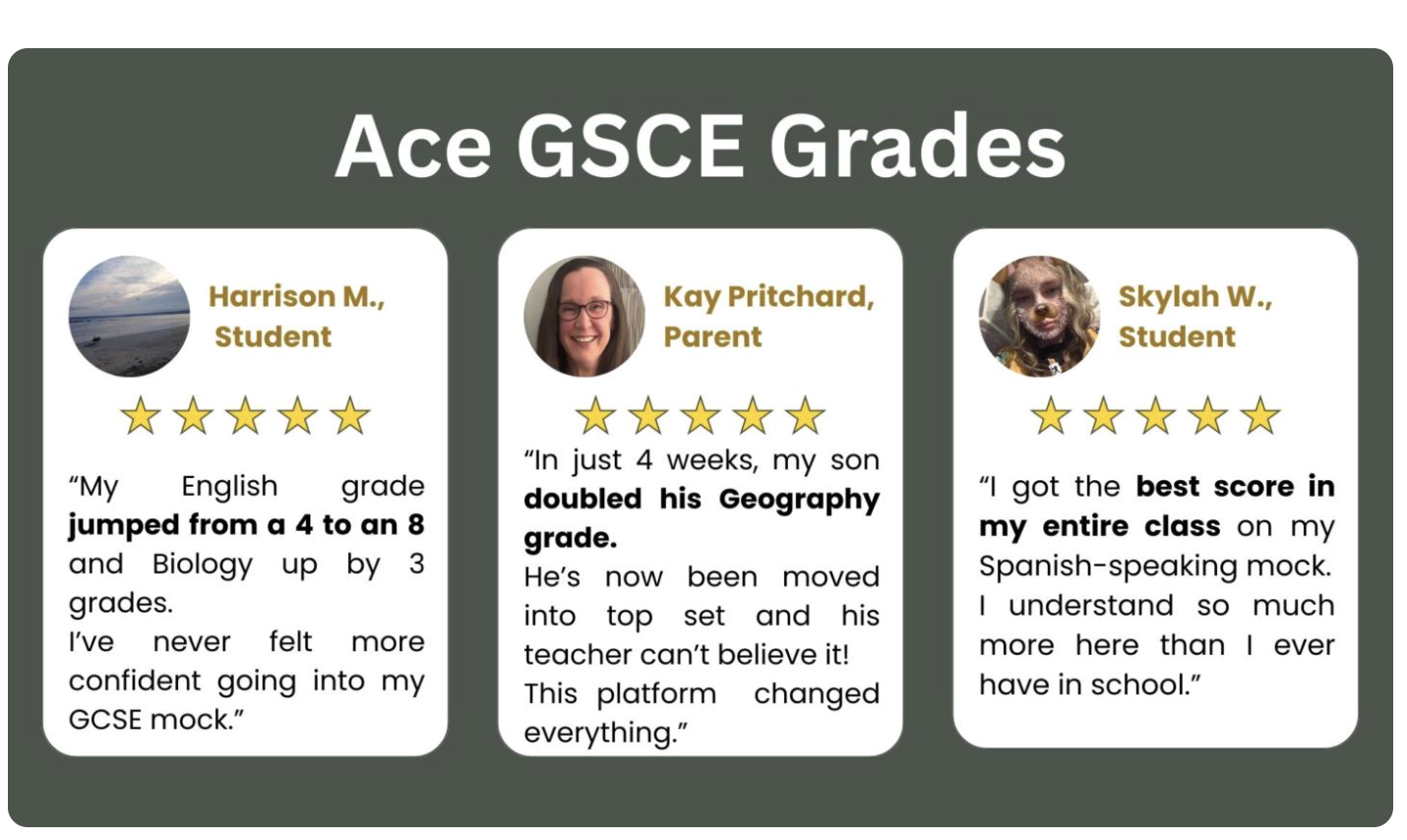
Real families are already seeing what happens when effort at home is backed up by clear, expert GCSE support.
How Level-Up focuses on what matters (and drops the rest)
Level-Up is an education platform trusted by hundreds of UK families to help teens reduce GCSE stress, improve their grades and feel genuinely more confident about exams. It’s designed around the few things that matter most, not adding more noise.
Inside the Level-Up GCSE Support Community, your teen gets:
- 32+ live classes a month with experienced, high-performing teachers across the core GCSE subjects.
- Daily access to 15+ expert teachers inside the community for “I’m stuck” questions and homework support.
- Weekly mental health and teen hangout sessions to help with academic stress, anxiety and friendships.
- 500+ hours of GCSE video content so they can learn at their own pace, rewind and revisit tricky topics anytime.
- A friendly community of 500+ UK students for buddy support and extra motivation – they realise they’re not the only one finding this hard.
Level-Up is designed so teens don’t feel they’re doing this on their own – and so parents don’t have to become full-time tutors or counsellors. Membership is capped at 1,000 students so they don’t get lost in a crowd, and there are no long-term contracts or hidden commitments – you can cancel whenever you like. If you’d like to see how other families have found it, you can read our 5-star reviews here.
You can also try Level-Up with a 7-day free trial through Skool, so your teen can join live lessons, explore the community and see how it feels before you decide whether to continue.
✅ Want to focus on what actually matters right now for GCSE success?
Bottom line: a few things matter far more than everything else
When you strip away the noise, what actually matters right now for GCSE success is quite simple. Show up and engage. Build small, consistent, active revision habits. Get targeted help with the bits that knock your child’s confidence. Your job isn’t to do everything – it’s to support those few things and surround your teen with the right structure and people.
Mind reading: How to help with GCSE revision without nagging, backing off or taking over
Also helpful: How to reduce GCSE stress and anxiety for teens