


If you’re searching for how parents can support GCSE revision at home, you’re in the right place. Most parents want to help without nagging or micro-managing—and that balance can feel tricky. The aim isn’t to become the “revision police”; it’s to create a calm, consistent setup that makes revision feel doable, confidence-building and (dare we say) a bit more satisfying.
When home feels organised, expectations are clear, and praise is specific, teens are far more likely to get started and keep going. Add in short, focused sessions and quick wins, and you’ll see momentum build—without power struggles or marathon study days. This post walks you through the simple home tweaks that make the biggest difference, plus how Level-Up’s structure, community and rewards system keep students supported between lessons.
Think of this as a partnership, not pressure. You provide the environment and gentle structure; your teen brings the effort. Together, you turn revision from an overwhelming “should” into a steady habit that actually sticks.
What we’ll cover (in plain English)
- How to set up a tidy, low-stress study space that reduces faff and boosts focus.
- Simple routines (15–30 minutes) that make revision part of the day—not the whole day.
- How to agree expectations together so you’re not repeating yourself or chasing.
- Ways to celebrate small wins so motivation grows without bribes or battles.
- What to do when they’re stuck—so help arrives fast and confidence doesn’t dip.
Below, you’ll find practical checklists you can use tonight, plus a printable-style summary at the end. And if you’d like expert help on tap between sessions, Level-Up’s live lessons, replays and ask-anytime community give students exactly that support—so revision feels lighter and more consistent at home.

A tidy, stress-free space helps brains focus — small steps make revision easier.
Create a Calm Environment (So the Brain Can Work)
A simple setup — clear desk, good light, water nearby, phone on Do Not Disturb — makes revision easier. Clutter adds mental noise, so help your teen find their best focus zone.
- Keep the space clear: books, calculator, subject guides — fewer than 3 on the desk.
- Sound: quiet background instrumentals or focus tracks.
- Gentle accountability: a visible checklist or sticky note for today’s priorities.
Agree on Structure — Not Control
Teens work best when they feel ownership. Try co-creating a plan together:
- 4-5 subjects a week, 15–30 minutes each time.
- Mix subjects daily for variety (e.g. Maths before History).
- Set review time at the end of each week: What went well? What’s next?

Plan together, keep it short, celebrate small wins — that’s how consistency sticks.
Encourage Small Wins, Not Marathon Days
- Micro-goals: “Finish one past paper section” or “revise one topic today.”
- Visible progress: tick lists, progress charts, or quick reflections at the end of each session.
- Reward effort, not hours: small praise, not pressure — effort builds momentum.
Keep Communication Open (Less Pressure, More Partnership)
Swap “Have you revised yet?” for better openers:
- “What’s your next focus this week?”
- “Which topic do you want to feel more confident in by Friday?”
- “How can I help you make that easier?”
Even with the best intentions and routines, most parents reach a point where helping with GCSEs becomes tricky — the content has changed, and time is limited. That’s completely okay. What matters most is keeping your teen supported, not stressed, and knowing there are expert resources ready to step in when needed.
Why Level-Up Helps at Home
If you want structured support that fits home life, the Level-Up programme blends live lessons, replays, quick answers from teachers, and daily motivation through rewards and peer encouragement. It’s designed to reduce stress and build confidence — so revision at home feels calmer and more consistent.
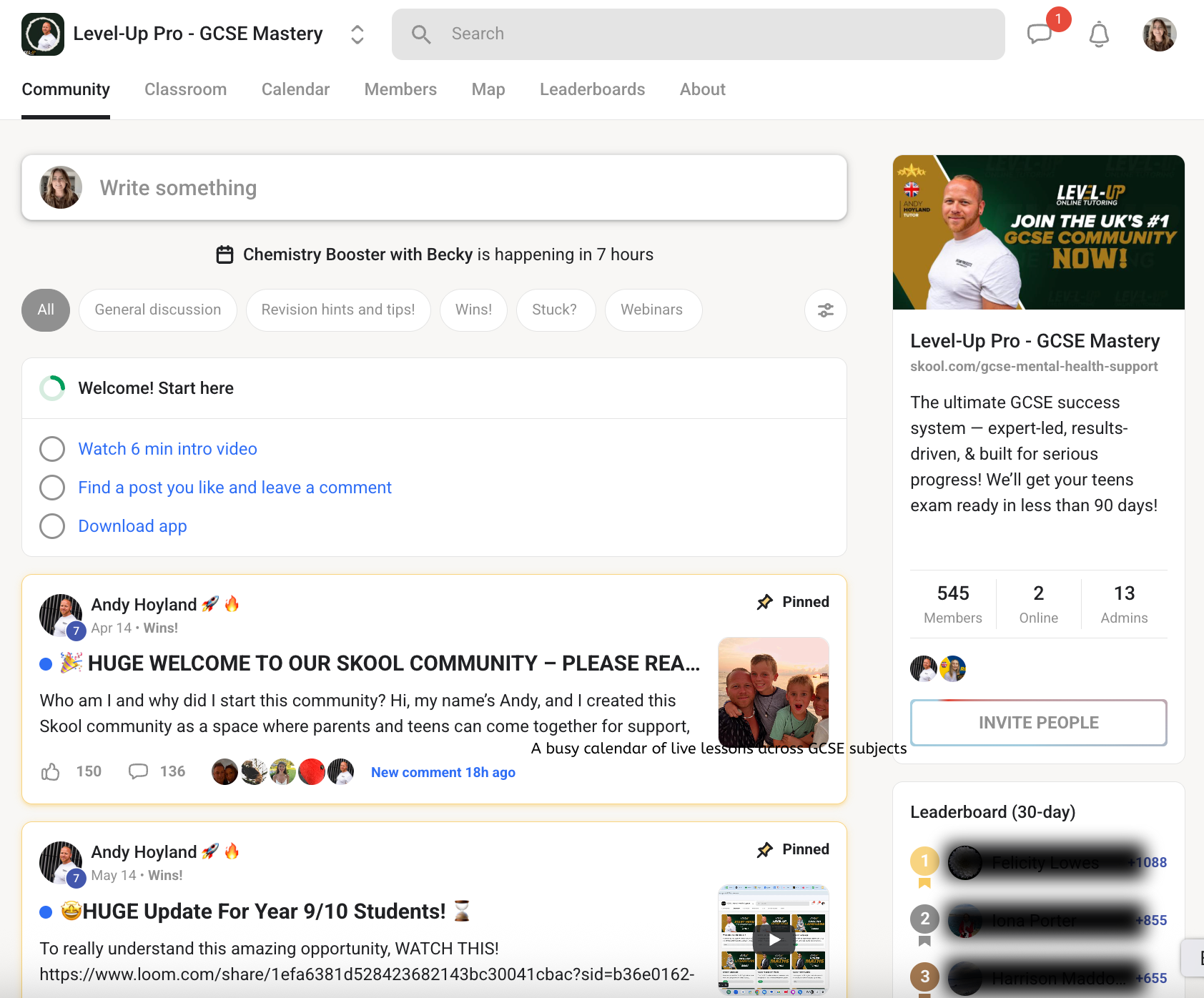
Support on tap: quick questions, fast answers, keep moving — without stress or worry.
Parent Checklist: How to Support GCSE Revision at Home
- Set up a calm space (no clutter, good light, phone away).
- Create a 5-day structure and keep it simple: shorter, consistent sessions beat long marathons.
- Mix subjects to avoid burnout and boost memory recall.
- Celebrate small wins and track confidence weekly.
- Remember — your calm energy helps their brain stay focused.
Bottom Line
Parents can support GCSE revision at home by creating structure, calm and encouragement — not pressure. Combine that with expert help when needed, and your teen builds confidence that lasts well beyond exam season.
✅ Ready to make revision feel calmer and more consistent at home?
Mind reading: How to motivate teens to study for GCSEs
Also helpful: How much GCSE revision per day?